
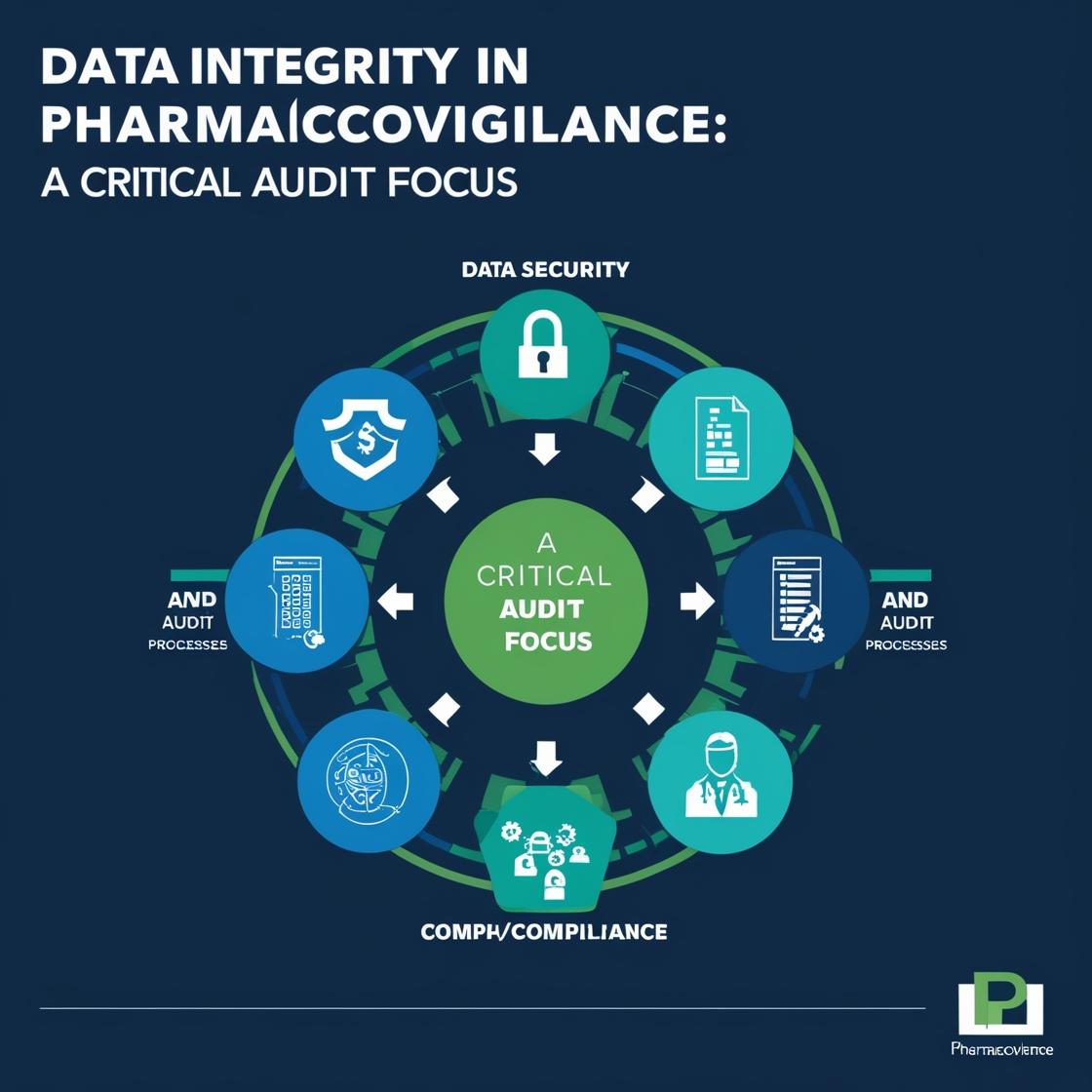
In pharmacovigilance, every decision depends on the quality and reliability of data. From adverse event reporting and signal detection to regulatory submissions and risk management activities, accurate data forms the foundation of patient safety and regulatory compliance. As pharmacovigilance systems continue to grow in complexity, organizations must manage increasing volumes of safety information generated across multiple systems, vendors, affiliates, and global operations.
Regulatory authorities expect pharmaceutical companies and life sciences organizations to maintain complete confidence in the data used to support safety-related decisions. As a result, data integrity has become one of the most closely scrutinized areas during pharmacovigilance audits and regulatory inspections.
Today, regulators are not only assessing whether safety data exists but also whether that data can be trusted. Organizations must demonstrate that information is accurate, complete, traceable, and protected throughout its lifecycle. Weaknesses in data integrity can lead to regulatory findings, inspection observations, delayed submissions, and, most importantly, potential risks to patient safety.
For these reasons, maintaining strong data integrity controls has become a critical component of an effective pharmacovigilance quality system.
Understanding Data Integrity in Pharmacovigilance
Data integrity refers to the completeness, consistency, accuracy, and reliability of data throughout its lifecycle. Within pharmacovigilance, it ensures that safety information remains trustworthy from the moment it is collected through to reporting, analysis, archiving, and regulatory review.
Data integrity applies to all forms of pharmacovigilance information, including:
- Adverse event reports
- Safety database records
- Signal management documentation
- Literature screening results
- Regulatory submissions
- Risk management records
- Audit documentation
- Training records
- Vendor oversight documentation
Organizations must ensure that data remains protected from unauthorized changes, loss, corruption, or manipulation while remaining accessible for review when required.
A strong data integrity framework supports regulatory compliance, inspection readiness, and confidence in safety-related decision-making.
Why Data Integrity Matters
Pharmacovigilance systems generate significant amounts of information that directly influence regulatory actions and patient safety decisions.
If data is incomplete, inaccurate, or unreliable, organizations may struggle to:
- Identify emerging safety signals
- Meet regulatory reporting obligations
- Maintain accurate safety profiles
- Support benefit-risk assessments
- Respond effectively during inspections
Data integrity failures can have serious consequences, including:
- Regulatory observations
- Compliance deficiencies
- Product safety concerns
- Increased regulatory oversight
- Financial penalties
- Reputational damage
Because safety decisions rely heavily on the quality of available data, regulators increasingly view data integrity as a fundamental indicator of an organization’s overall compliance culture.
Regulatory Expectations for Data Integrity
Global health authorities place significant emphasis on maintaining data integrity within regulated activities.
Although specific requirements may vary between jurisdictions, regulators generally expect organizations to establish controls that ensure data remains:
- Accurate
- Complete
- Consistent
- Traceable
- Secure
- Available when needed
Authorities such as the MHRA, FDA, EMA, and other international regulators routinely evaluate data integrity controls during inspections and audits.
Inspectors increasingly focus on how organizations manage electronic systems, documentation practices, audit trails, user access controls, and governance processes.
Organizations must be prepared to demonstrate that data integrity principles are integrated into everyday pharmacovigilance activities rather than treated as standalone compliance initiatives.
The ALCOA+ Principles
One of the most widely recognized frameworks for evaluating data integrity is the ALCOA+ model.
Regulators frequently use these principles as a benchmark when assessing data management practices.
Attributable
Every action related to data should be traceable to the individual who performed it.
Organizations should be able to identify:
- Who created the data
- Who modified the data
- When changes occurred
- Why changes were made
Clear accountability supports transparency and compliance.
Legible
Data must remain readable and understandable throughout its retention period.
Records should be maintained in formats that allow reviewers to interpret information accurately without ambiguity.
Contemporaneous
Information should be recorded at the time activities occur.
Delayed documentation can create uncertainty regarding data accuracy and reliability.
Original
Organizations should preserve original records or maintain certified copies that accurately reflect the source information.
Original data provides critical evidence supporting pharmacovigilance activities.
Accurate
Data should reflect actual observations, events, and outcomes without errors or unauthorized alterations.
Accuracy remains one of the most important aspects of pharmacovigilance compliance.
Additional ALCOA+ Expectations
Modern regulatory expectations extend beyond the original ALCOA principles.
Data should also be:
- Complete
- Consistent
- Enduring
- Available
Together, these principles help organizations establish and maintain trustworthy pharmacovigilance records.
Data Integrity Across the Pharmacovigilance Lifecycle
Data integrity must be maintained at every stage of the pharmacovigilance process.
Data Collection
Safety information originates from multiple sources, including healthcare professionals, patients, literature, clinical studies, business partners, and regulatory authorities.
Organizations must ensure that collected information is:
- Accurate
- Complete
- Properly documented
- Transferred securely
Effective intake procedures help reduce the risk of data quality issues at the earliest stages of the process.
Data Entry and Processing
During case processing, safety information is entered into pharmacovigilance systems for evaluation and reporting.
Controls should be established to ensure:
- Accurate data transcription
- Validation of critical fields
- Consistent coding practices
- Appropriate quality reviews
Errors introduced during data entry can affect subsequent reporting and safety evaluations.
Data Analysis and Signal Management
Safety data supports ongoing signal detection and risk assessment activities.
Organizations must ensure that analytical processes rely on accurate and complete information.
Data quality issues may compromise:
- Signal detection activities
- Trend analyses
- Benefit-risk evaluations
- Safety communications
Strong governance helps ensure that decisions are based on reliable evidence.
Regulatory Reporting
Accurate regulatory submissions depend on the integrity of underlying safety data.
Organizations should maintain controls that support:
- Timely reporting
- Data verification
- Submission tracking
- Documentation consistency
Regulators expect submitted information to accurately reflect available safety evidence.
Data Retention and Archiving
Even after reporting obligations have been fulfilled, organizations must preserve records in accordance with regulatory requirements.
Archived data should remain:
- Accessible
- Complete
- Secure
- Traceable
Retention practices support future inspections, audits, and regulatory inquiries.
System Controls and Audit Trails
Technology plays a critical role in maintaining data integrity.
Pharmacovigilance systems should incorporate controls that support secure and transparent data management.
Auditors frequently assess:
Audit Trails
Audit trails provide a chronological record of activities performed within a system.
They help organizations demonstrate:
- Who made changes
- What changes were made
- When modifications occurred
- Why updates were performed
Well-maintained audit trails improve traceability and accountability.
User Access Controls
Organizations should restrict system access according to defined roles and responsibilities.
Effective controls help prevent:
- Unauthorized access
- Inappropriate modifications
- Security breaches
- Data manipulation
Periodic access reviews help ensure continued compliance.
Change Control Procedures
System updates, configuration changes, and software modifications should be managed through formal change control processes.
Proper documentation helps demonstrate that changes are evaluated, approved, tested, and implemented appropriately.
Vendor and Third-Party Oversight
Modern pharmacovigilance operations frequently rely on external service providers for activities such as case processing, literature monitoring, safety database management, and regulatory reporting.
While activities may be outsourced, accountability remains with the sponsoring organization.
Auditors often evaluate:
- Vendor qualification procedures
- Service agreements
- Performance monitoring activities
- Compliance oversight mechanisms
- Data management controls
Organizations should ensure that vendors maintain standards consistent with internal data integrity expectations.
Regular vendor assessments help identify potential risks and strengthen oversight.
Human Factors and Data Integrity
Technology alone cannot guarantee data integrity.
Many data quality issues originate from human error, inadequate training, or inconsistent procedures.
Organizations should focus on:
Training Programmes
Personnel must understand their responsibilities regarding data management and documentation practices.
Training should cover:
- Regulatory expectations
- System usage
- Documentation standards
- Data quality requirements
Ongoing education helps reinforce compliance behaviours.
Procedural Compliance
Clear and practical Standard Operating Procedures support consistent execution of pharmacovigilance activities.
Procedures should provide guidance on:
- Data entry requirements
- Quality review processes
- Error correction procedures
- Documentation practices
Consistent procedural adherence helps reduce variability and errors.
Quality Culture
Organizations that promote accountability, transparency, and continuous improvement often demonstrate stronger data integrity performance.
A positive quality culture encourages proactive identification and resolution of potential issues.
Risk-Based Monitoring and Data Integrity Reviews
Regulators increasingly expect organizations to adopt proactive approaches to monitoring data integrity risks.
Risk-based monitoring programmes help identify trends before they develop into larger compliance concerns.
Common monitoring activities include:
- Internal audits
- Data quality reviews
- Compliance metrics analysis
- Trend monitoring
- Root cause investigations
Organizations should review indicators such as:
- Case processing errors
- Reporting delays
- Data correction rates
- Missing information trends
- Audit findings
Regular monitoring supports early detection and continuous improvement.
Strengthening Data Integrity in Pharmacovigilance
Organizations can strengthen data integrity by implementing practical controls across people, processes, and technology.
Key best practices include:
Validate Pharmacovigilance Systems
All systems supporting regulated activities should undergo appropriate validation to ensure reliable performance.
Maintain Strong Access Controls
Role-based access management helps protect sensitive information and reduce unauthorized activity.
Monitor Data Quality Metrics
Regular review of quality indicators helps identify emerging issues and supports corrective action planning.
Conduct Periodic Audits
Internal audits provide independent assessments of data integrity controls and compliance performance.
Invest in Training
Ongoing education helps personnel understand evolving regulatory expectations and best practices.
Standardize Procedures
Consistent documentation and process controls support reliable execution of pharmacovigilance activities across the organization.
Why Data Integrity Will Remain a Major Audit Focus
As pharmacovigilance systems become increasingly digital and globally interconnected, data integrity will continue to receive significant regulatory attention.
Emerging technologies, automation, outsourced operations, and growing data volumes introduce new opportunities and new risks. Regulatory authorities expect organizations to maintain effective controls regardless of system complexity.
Organizations that prioritize data integrity not only strengthen compliance but also improve operational efficiency, decision-making quality, and inspection readiness.
How Q&V Supports Data Integrity and Audit Readiness
Maintaining data integrity requires a combination of strong governance, effective processes, reliable technology, and ongoing oversight. As regulatory expectations continue to evolve, organizations benefit from expert support in evaluating and strengthening their pharmacovigilance systems.
At Q&V, we help life sciences organizations assess data integrity risks, improve compliance frameworks, conduct pharmacovigilance audits, review quality systems, and prepare for regulatory inspections. Our experienced specialists provide practical guidance designed to strengthen data reliability, improve transparency, and support sustainable compliance.
Whether you are addressing identified gaps, preparing for an inspection, or enhancing your overall pharmacovigilance quality programme, Q&V can help ensure your data remains accurate, trustworthy, and inspection-ready.
Maintaining data integrity also depends on ensuring that key pharmacovigilance documentation remains accurate and up to date following organizational or product-related changes. Our guide on PSMF Maintenance Checklist outlines important updates that should be considered after licence variations, product transfers, and MAH changes.