The way pharmacovigilance audits are conducted has changed significantly in recent years. Advances in digital technology, evolving working models, and increasing global collaboration have transformed remote audits from an occasional alternative into a widely accepted and often preferred auditing approach. Today, pharmaceutical companies, biotechnology organizations, contract research organizations, and Marketing Authorisation Holders regularly participate in remote pharmacovigilance audits conducted by quality assurance teams, external auditors, business partners, and regulatory authorities.
While remote audits offer flexibility, cost savings, and operational efficiency, they also present unique challenges that require careful planning and preparation. Unlike traditional on-site audits, remote assessments depend heavily on technology, digital documentation, virtual communication, and effective coordination among multiple stakeholders.
Organizations that understand these challenges and implement appropriate strategies can successfully demonstrate compliance, maintain audit readiness, and support effective pharmacovigilance oversight regardless of location.
As remote auditing continues to evolve, organizations must ensure that their pharmacovigilance systems, documentation practices, and audit processes remain capable of supporting regulatory expectations in a virtual environment.
The Evolution of Remote Pharmacovigilance Audits
Historically, most pharmacovigilance audits were conducted on-site. Auditors would visit company facilities, review documentation in person, interview staff, observe operational processes, and assess quality systems directly.
However, increasing globalization, technological advancements, and changing business needs have accelerated the adoption of remote auditing practices.
Remote audits now play an important role in:
- Internal audit programmes
- Vendor qualification assessments
- Affiliate audits
- Compliance reviews
- Inspection readiness activities
- Regulatory oversight initiatives
Organizations have recognized that remote audits can deliver many of the same compliance benefits as traditional audits while offering greater flexibility and efficiency.
Despite these advantages, remote audits require a different approach to preparation, execution, and communication.
What Is a Remote PV Audit?
A remote pharmacovigilance audit is an audit conducted virtually using digital communication and document-sharing technologies rather than through physical site visits.
Auditors assess compliance by reviewing electronic records, conducting virtual interviews, examining system demonstrations, and evaluating documentation through secure digital platforms.
Remote audits may involve:
- Video conferencing sessions
- Screen-sharing demonstrations
- Electronic document reviews
- Virtual facility presentations
- Online interviews
- Secure file-sharing portals
The overall objectives remain the same as traditional audits: evaluating compliance, identifying risks, assessing system effectiveness, and supporting continuous improvement.
The primary difference lies in how evidence is collected and reviewed.
Why Remote Audits Have Become More Common
Several factors have contributed to the increased use of remote auditing across the pharmaceutical industry.
Greater Operational Flexibility
Remote audits eliminate the need for travel and reduce scheduling complexities, making it easier to coordinate audit activities across multiple locations.
Organizations can often arrange audits more quickly and involve stakeholders from different regions without significant logistical challenges.
Improved Cost Efficiency
Travel expenses, accommodation costs, and administrative burdens are significantly reduced when audits are conducted remotely.
This allows organizations to allocate resources more effectively while maintaining robust oversight programmes.
Increased Global Collaboration
Many pharmacovigilance operations involve multiple affiliates, vendors, and service providers located in different countries.
Remote auditing enables organizations to evaluate global operations without requiring auditors to travel extensively.
Ongoing Digital Transformation
As pharmacovigilance systems become increasingly digital, organizations are better positioned to provide electronic access to records and systems during audits.
This digital maturity has made remote auditing more practical and effective than ever before.
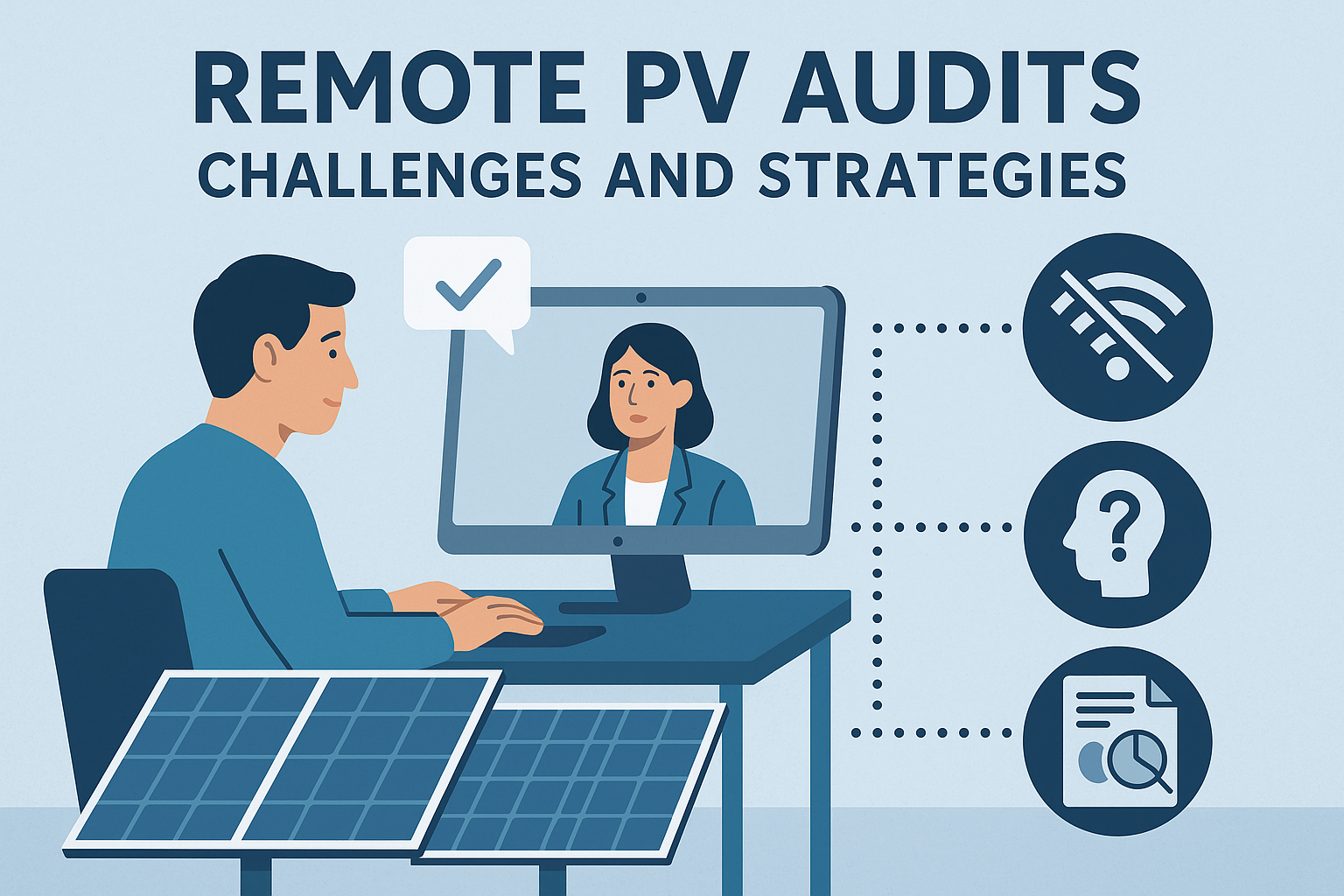
Common Challenges in Remote PV Audits
Although remote audits offer numerous benefits, they also introduce challenges that can affect audit efficiency and outcomes if not managed effectively.
Document Management and Accessibility
One of the most significant challenges in remote audits is providing timely access to required documentation.
During an on-site audit, auditors may review documents immediately upon request. In a remote environment, all documentation must be located, verified, and shared electronically.
Common issues include:
- Delays in document retrieval
- Version control inconsistencies
- Incomplete records
- Access restrictions
- File organization problems
Auditors often view document management practices as an indicator of overall quality system effectiveness.
Organizations should ensure that critical records are well-organized and readily accessible before the audit begins.
Technology and Connectivity Risks
Remote audits rely heavily on technology platforms and internet connectivity.
Technical disruptions can interrupt audit activities and create unnecessary delays.
Potential challenges include:
- Unstable internet connections
- Audio or video failures
- Platform compatibility issues
- System access problems
- Security restrictions
Organizations should test all systems in advance and establish contingency plans for technical issues.
Reliable technology infrastructure is essential for maintaining audit momentum and professionalism.
Reduced Visibility of Operations
Traditional audits provide opportunities for auditors to observe workplace practices, interactions, and operational environments directly.
In remote audits, this level of visibility is often limited.
As a result, auditors may rely more heavily on:
- Documentation reviews
- System demonstrations
- Screen sharing
- Process walkthroughs
- Interview responses
Organizations should be prepared to provide additional evidence supporting process effectiveness and compliance.
Clear documentation becomes even more important when direct observation opportunities are limited.
Communication Challenges
Effective communication is critical during any audit, but remote environments can sometimes create additional barriers.
Challenges may include:
- Misunderstandings during virtual discussions
- Delayed responses
- Limited non-verbal communication
- Scheduling difficulties
- Technical interruptions
Organizations should establish clear communication protocols to support efficient interactions throughout the audit process.
Global Team Coordination
Many pharmacovigilance organizations operate across multiple time zones and involve personnel from different regions.
Coordinating interviews, document requests, and audit meetings can be challenging when participants are located in different countries.
Successful remote audits require:
- Careful scheduling
- Clear responsibilities
- Effective internal communication
- Availability of key personnel
Proper planning helps minimize disruptions and supports a smoother audit experience.
Preparing for a Successful Remote PV Audit
Preparation remains the most important factor influencing remote audit success.
Organizations should adopt a proactive approach that addresses both compliance requirements and virtual audit logistics.
Conduct Pre-Audit Planning
Comprehensive planning helps reduce uncertainty and ensures that teams understand audit expectations.
Preparation activities should include:
- Reviewing audit scope
- Identifying required documentation
- Confirming participant availability
- Testing technology platforms
- Assigning responsibilities
- Establishing communication procedures
Early preparation reduces last-minute challenges and supports efficient audit execution.
Create a Centralized Document Repository
Organizations should establish a secure and organized document-sharing system before the audit begins.
A centralized repository can help:
- Improve document retrieval times
- Reduce version control issues
- Facilitate auditor access
- Enhance transparency
Critical records commonly requested during pharmacovigilance audits should be readily available.
Examples include:
- Standard Operating Procedures
- Training records
- Audit reports
- CAPA documentation
- Safety reporting records
- Quality management documents
- Vendor oversight records
Validate Digital Readiness
Technical readiness should be assessed before audit activities commence.
Organizations should verify:
- Internet reliability
- Video conferencing functionality
- User permissions
- Screen-sharing capabilities
- Document access controls
- Cybersecurity measures
Conducting a rehearsal session can help identify and resolve potential issues in advance.
The Importance of Strong Documentation
Documentation becomes even more important during remote audits because auditors rely heavily on written evidence.
Organizations should ensure that records are:
- Current
- Complete
- Accurate
- Traceable
- Well-organized
Particular attention should be given to:
Standard Operating Procedures
SOPs should accurately reflect current operational practices and regulatory requirements.
Training Records
Training documentation should demonstrate personnel competency and compliance with role-specific requirements.
CAPA Documentation
Organizations should maintain evidence showing that corrective and preventive actions have been implemented and verified effectively.
Quality Management Records
Quality documentation should support transparency and demonstrate ongoing oversight of pharmacovigilance activities.
Strong documentation helps build auditor confidence and reduces the need for extensive clarification during interviews.
Defining Roles and Responsibilities
Clearly defined responsibilities contribute significantly to remote audit success.
Organizations should identify personnel responsible for:
Audit Coordination
Managing schedules, communications, and logistics throughout the audit.
Document Management
Retrieving, reviewing, and sharing requested records efficiently.
Subject Matter Expertise
Providing technical explanations and responding to auditor questions.
Information Technology Support
Addressing technical issues and maintaining system functionality.
A coordinated team structure helps ensure timely responses and consistent communication.
Best Practices for Effective Remote Audit Communication
Professional communication remains essential in virtual audit environments.
Organizations should:
- Respond promptly to requests
- Provide clear and concise answers
- Maintain transparency
- Confirm understanding of requests
- Keep stakeholders informed
Regular status updates can help manage expectations and maintain productive working relationships throughout the audit.
Treating remote audits with the same level of professionalism as on-site inspections helps establish credibility and confidence.
Strengthening Audit Readiness for the Future
Remote auditing is expected to remain an important component of pharmacovigilance oversight.
Organizations should continuously evaluate and improve their virtual audit capabilities by:
- Reviewing audit outcomes
- Monitoring lessons learned
- Enhancing digital systems
- Improving documentation practices
- Strengthening team training
- Updating audit procedures
Continuous improvement helps organizations adapt to evolving audit expectations and maintain long-term compliance.
How Q&V Supports Remote Pharmacovigilance Audits
Successfully managing remote pharmacovigilance audits requires a combination of regulatory expertise, strong documentation practices, effective communication, and digital readiness. Organizations that prepare proactively are better positioned to demonstrate compliance and achieve positive audit outcomes.
At Q&V, we help life sciences organizations strengthen their remote audit capabilities through readiness assessments, mock audits, documentation reviews, quality system evaluations, and inspection preparation programmes. Our experienced specialists understand the unique challenges of virtual auditing and provide practical guidance tailored to your organization’s needs.
Whether you are preparing for a vendor audit, internal assessment, regulatory inspection, or global compliance review, Q&V can help ensure your pharmacovigilance systems remain audit-ready in both remote and on-site environments.
As pharmacovigilance processes become increasingly digital, organizations must also ensure that their safety reporting systems can adapt to evolving regulatory and technical requirements. Our article on ICSR Submission Process highlights key considerations for maintaining compliance with the latest reporting standards and submission expectations.