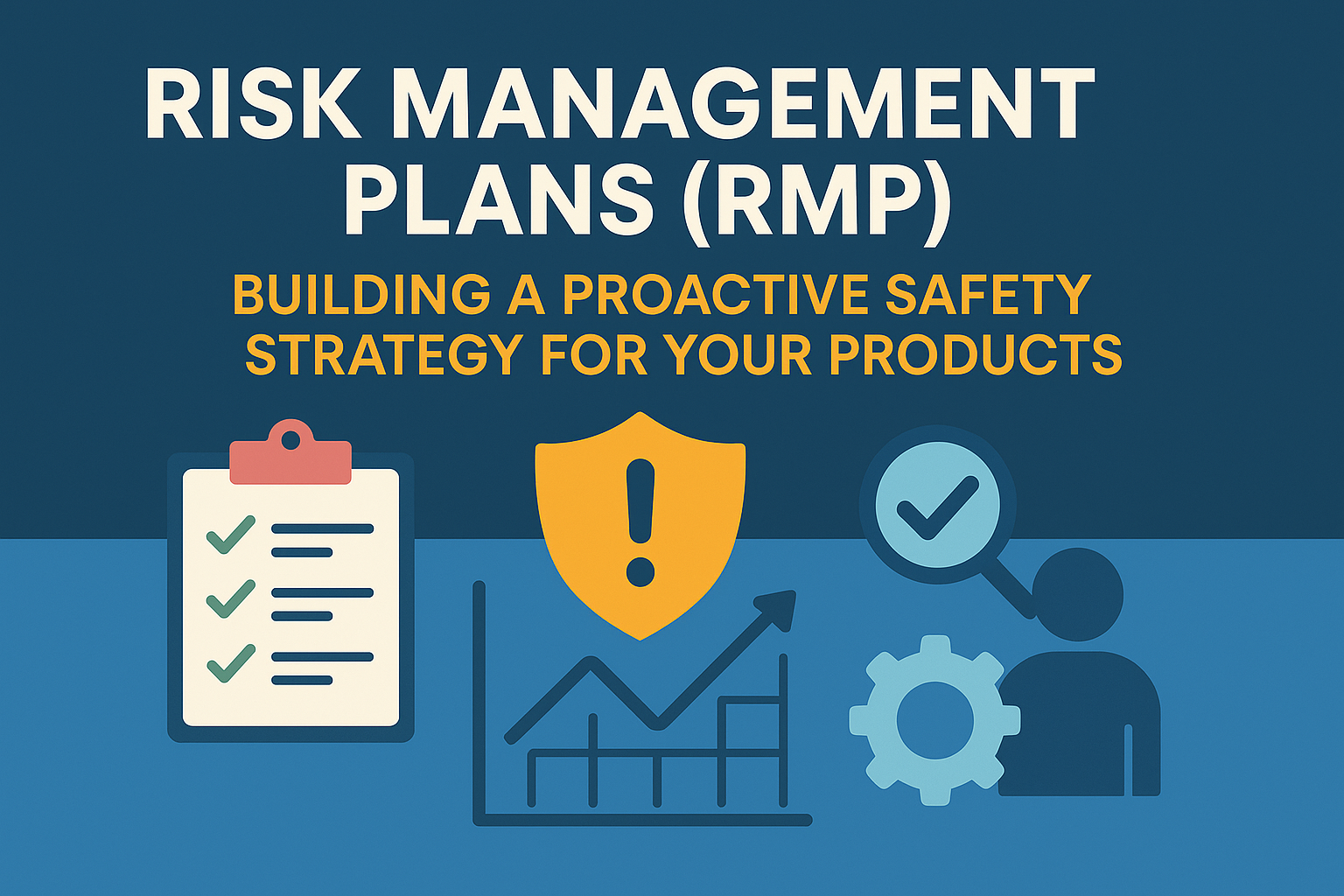
In a regulated pharmaceutical environment, patient safety is a top priority for healthcare authorities and life science companies. A Risk Management Plan (RMP) is a vital component of the pharmacovigilance framework, designed to proactively identify, assess, and minimise risks associated with a medicinal product. Beyond regulatory compliance, an effective RMP helps build trust among healthcare professionals, patients, and regulators by demonstrating a manufacturer’s commitment to safety.
What is a Risk Management Plan (RMP)?
An RMP is a structured document submitted to regulatory agencies (such as the EMA, MHRA, or other health authorities) that outlines a product’s identified risks, potential risks, and missing safety information, along with strategies to monitor and manage these risks.
The primary goal of an RMP is to ensure that the benefits of a medicinal product outweigh its risks throughout its lifecycle, from clinical development to post-marketing.
Why Are RMPs Important?
- Regulatory Requirement: Regulatory agencies in the EU, UK, and other markets mandate RMPs for new marketing authorisation applications.
- Enhanced Patient Safety: RMPs help companies proactively address safety concerns before they escalate.
- Lifecycle Safety Management: An RMP is a living document that evolves with new data from clinical trials, post-marketing surveillance, and real-world evidence.
- Trust and Transparency: Provides clear safety communication to stakeholders and aligns with global pharmacovigilance expectations.
Key Components of a Risk Management Plan
A typical RMP includes the following sections:
- Safety Specification: Summary of known risks, potential risks, and gaps in safety information.
- Pharmacovigilance Plan: Measures for monitoring and identifying safety issues, including post-marketing studies.
- Risk Minimisation Measures (RMMs): Strategies such as updated labelling, healthcare provider training, or restricted distribution programmes.
- Evaluation of the RMMs: Assessing the effectiveness of implemented measures over time.
Best Practices for Building an Effective RMP
- Collaborate with Cross-Functional Teams: Involve regulatory, clinical, and pharmacovigilance teams to create a holistic strategy.
- Integrate Real-World Data: Utilise data from spontaneous reports, literature, and observational studies to refine safety profiles.
- Stay Aligned with Global Guidelines: Ensure compliance with EMA and ICH Good Pharmacovigilance Practice (GVP) modules.
- Regularly Update the RMP: Treat the RMP as a living document, revising it as new safety data emerges.
How Q&V Can Help
At Q&V, we specialise in designing and maintaining comprehensive Risk Management Plans (RMPs) that meet regulatory expectations while supporting proactive patient safety strategies. Our expert team offers end-to-end pharmacovigilance services, from PV process audits and adverse event case processing to aggregate reporting and E2B/non-E2B ICSR submissions.
If your organisation needs assistance in developing or maintaining RMPs, contact Q&V today. We’ll ensure your pharmacovigilance systems are audit-ready and fully compliant with international guidelines.