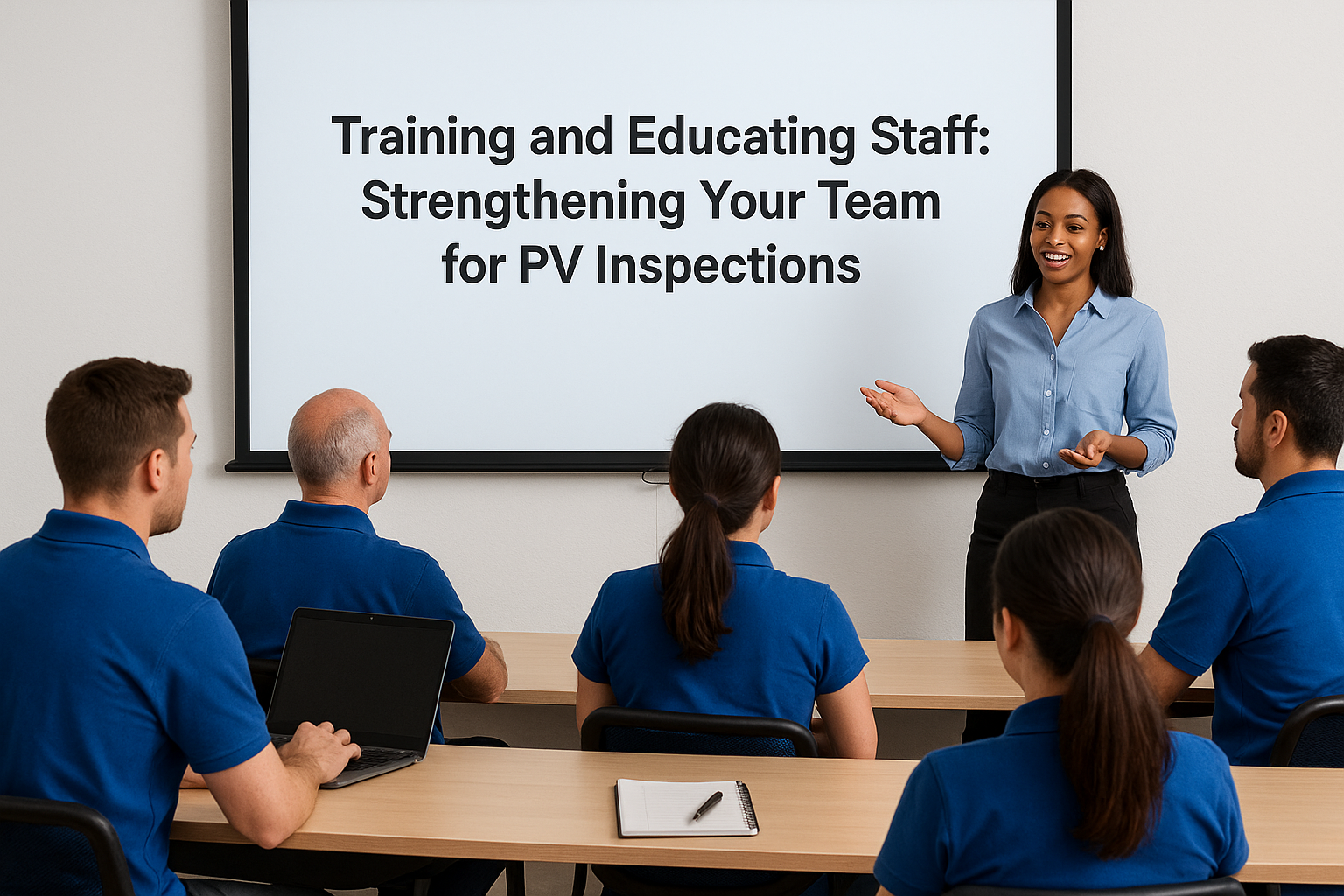
Pharmacovigilance (PV) inspections by regulatory authorities, such as the MHRA, EMA, or FDA, are critical checkpoints for ensuring that pharmaceutical companies comply with global safety standards. While processes, documentation, and systems are essential, well-trained and knowledgeable staff play a decisive role in achieving successful inspection outcomes.
A PV system is only as strong as the people who run it. Effective training and staff education are key to ensuring that every team member understands their responsibilities, is prepared for audits, and can confidently demonstrate compliance.
Why Staff Training is Critical for PV Inspections
- Compliance with Regulatory Requirements
GVP (Good Pharmacovigilance Practices) guidelines require companies to ensure that staff involved in safety-related activities are appropriately trained and competent. - Minimising Human Error
Proper training helps prevent common mistakes in adverse event (AE) reporting, data entry, literature reviews, and aggregate reporting. - Audit-Readiness
Well-prepared employees can confidently respond to inspectors’ questions, demonstrating that the organisation operates with a culture of quality and compliance. - Improved Communication
Training ensures cross-functional teams — from clinical operations to medical information — understand how their roles contribute to the overall PV system.
Key Areas of PV Staff Training
- Regulatory Requirements and GVP Modules
Staff must have a clear understanding of relevant GVP modules, ICH guidelines, and country-specific safety regulations (e.g., EMA, MHRA, FDA). - Safety Data Management
Training should include AE case processing, MedDRA coding, and database usage to ensure accuracy and timeliness. - Inspection Preparedness
Mock inspections or role-play exercises can prepare staff to handle real inspector queries with confidence. - Documentation Standards
Educating employees on SOPs, PSMF maintenance, and documentation control is essential for ensuring traceability and consistency. - Risk Management and Signal Detection
Staff should be trained on interpreting safety data, risk management plans (RMPs), and signal detection activities.
Best Practices for Building an Effective Training Programme
- Create Role-Specific Training Plans: Tailor content to suit the needs of safety scientists, case processors, quality auditors, or senior management.
- Regular Refresher Sessions: Schedule quarterly or annual training to stay aligned with evolving regulations and systems.
- Document Training Records: Maintain clear logs of all completed training to present during inspections.
- Leverage E-Learning and Workshops: Combine online modules with interactive sessions for maximum retention.
- Use Real-Life Scenarios: Practical case studies and examples help staff understand how their actions impact compliance and safety outcomes.
How Q&V Can Help
At Q&V, we offer customised training and staff education programmes designed to ensure PV teams are well-prepared for audits and inspections. Our services include:
- Mock inspection workshops and role-based simulations.
- Tailored training modules on AE processing, RMPs, and GVP compliance.
- Audit-readiness training to build confidence in facing health authority inspectors.
- Continuous learning frameworks for long-term PV compliance and excellence.
With our expertise, we empower your staff to not just meet regulatory requirements but exceed expectations during pharmacovigilance inspections.